


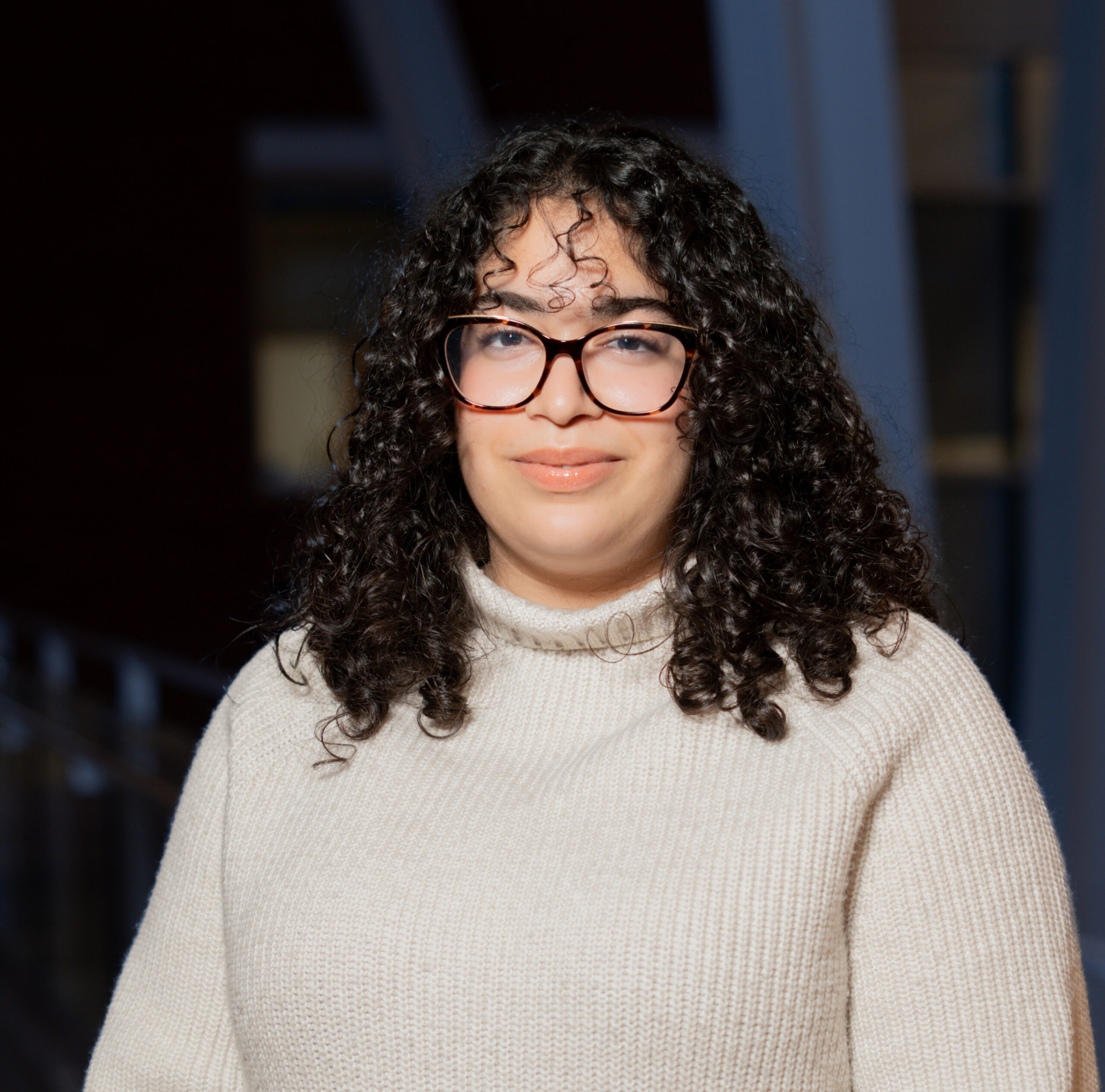
Pioneering diagnosis and management of Adult Genetic Epilepsy
The AGE program focuses on issues around genetic epilepsy in adults. From diagnosis, genetic testing, seizure management to investigating novel precision medicine treatments.
Dr. Danielle Andrade is the founder and director of the Adult Genetic Epilepsy (AGE) program at Toronto Western Hospital, University of Toronto, which is one of a kind clinical and research program. Her and her team have helped several patients during their journey of rare unexplained intractable seizures, transforming the “unknown” into a diagnosis leading to tailored precision medicine for this group of patients.
NEWS


RESEARCH AREAS
One of the main research areas our team focuses on is genetic epilepsies in adults.
One of the main research areas our team focuses on is genetic epilepsies in adults. The field of genetic epilepsy has grown significantly over the last decade, specially since the advent of next generation sequencing techniques. However, most of the knowledge obtained is in the pediatric field. Very little is known about how patients with monogenic epilepsies, specially those with developmental and epileptic encephalopathies (DEEs) grow older. In fact, these patients have traditionally been seen by the adult neurologists as patients with “symptomatic epilepsy”, for whom nothing else can be done. Dr. Andrade’s extraordinary amount of work in this field has determined the natural history of several monogenic DEEs, as well as diagnosis and treatment pitfalls in adults with genetic epilepsies.
This area of research in epilepsy aims to offer a therapy targeted to the molecular abnormality that is causing the patient’s symptoms.
AGE program offers many such precision medicine clinical trials to the patients with severe drug resistance epilepsies often associated with intellectual disability, motor problems, and a higher mortality rate than other more common forms of epilepsy. Dr. Andrade has created a Developmental and Epileptic Encephalopathy Registry in the province of Ontario, where 14 million people live. This DEE registry has patients trial-ready for precision medicine in genetic epilepsies.
Dr. Andrade’s research is also significantly focused on the transition from pediatric to adult care, specially for patients with genetic epilepsies, who often suffer the most during this process.
She has been the Chair of the ILAE Transition from Pediatric to Adult Care Task Force and currently, the Co-Chair. She has also been the Chair of the Ontario Transition Task Force and has created guidelines for transition that have been widely implemented across North America and Europe.
STAFF
Adult Genetic Epilepsy Clinic
The Adult Genetic Epilepsy Clinic specializes in the diagnosis and management of genetically determined epilepsies (even if after initial investigation the culprit gene(s) could not be determined) and familial epilepsies.
The approach involves comprehensive testing to identify the root cause and the development of a treatment plan that may include medication, neuromodulation, epilepsy-specific diet treatment, or surgical resection of the affected area.
Patients who are seen by Dr. Andrade’s group have access to cutting-edge genetic research that may help determine the cause of their epilepsy and inform the best care plan.
Contact the Clinic
Clinic Phone: 416 603 5800 ext. 5927
Referral Fax: 416-603-5768
Office Phone: 416 603 5927
Toronto Western Hospital West Wing, 2nd Floor, 399 Bathurst Street, Toronto, ON, M5T 2S8, Canada
Plus code: MH3V+M9 Toronto, Ontario, Canada
Transit stop, Stop ID: 177 – Bathurst St at Nassau St – Toronto Western Hospital
About the Clinic
Dr. Andrade splits her time between clinical work (seeing patients), teaching and research in order to provide cutting-edge, world-class patient care in her areas of expertise.
CLINIC STAFF
Saiful Islam, Administrative Assistant
For administrative matters
Chari Anor, Registered Nurse (RN)
For patient-related matters, 416 603 5800 ext. 2446
Testimonials
What Our Patients Say:
-
"Dr. Andrade continues to be my professional hero in the world of medicine and for the independence she has given me living with Epilepsy.
Her brilliance amazes me.
Yet her personal kindness to make sure you are always at the best state you can be in and helping you find that level if you are not, is what truly makes my feel blessed. Life has a lot of ups and downs but Dr. Andrade will always give hope that when there is a setback she has a solution to get you back on track.
Dr. Andrade always takes my concerns seriously, is compassionate and uses her excellence in every way possible to make living with epilepsy easier. I have reached back to her a few times this year in need of help and she was there immediately to help, even with such a busy schedule.
I have had another successful year of controlled seizures that has allowed me to get out of bed each morning feeling confident, safe, secure, and well supported."
Patient X
-
Two months later, she had another seizure. By the time Jayde was eight months old, she was having seizures without fevers and was on several different medications. This is when Jayde was diagnosed with a seizure disorder. No one knew why she was having seizures, and as such, there was never a real treatment plan. It was just a string of random trials and errors. "Jayde was born full-term, with no complications during pregnancy or labour," says Nicole James, Jayde's mother. "It was hard sometimes because Jayde was non-verbal with a developmental delay." It wasn't until 2020, at the age of 23, that Jayde was finally diagnosed with Dravet syndrome under the care of Dr. Danielle Andrade, a neurologist and the Director of the Krembil Brain Institute Adult Genetic Epilepsy (AGE) Program. "If we had found out sooner about Jayde's Dravet diagnosis, maybe her treatment would have been different and she would have been seizure-free sooner," Nicole says. "I do think about that." After switching to a new medication, Jayde has been seizure-free for nearly two years. "I'm very happy with the progress that we've seen," says Nicole. "Jayde is sweet, kind and affectionate. She loves being out in nature and loves being around animals.
"She's like a flower that's blossoming and we're enjoying that."
Jayde's story - At just two months old, Jayde James had a febrile seizure, which is a convulsion in an infant that's caused by a fever, often associated with an infection.